
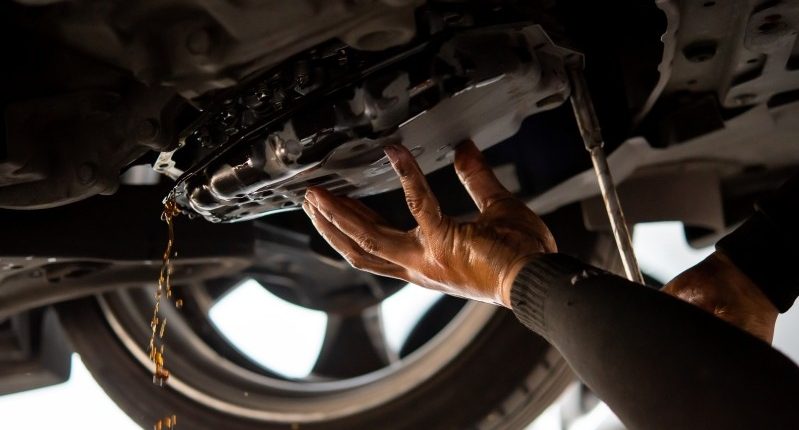
Does this sound familiar? The moment an independent shop recommends a transmission fluid service for your vehicle, your brain goes, “Wait… what?”
The dealer says the fluid is good for the lifetime of the vehicle (it’s even written in some manuals) and now this shop is making it sound like a disaster waiting to happen if you don’t do the service.
Who do you trust?
The truth is, both have a point — but it depends on what “lifetime” really means.
When manufacturers say “lifetime,” they’re talking about the expected lifetime of the transmission under perfect conditions: steady highway driving, mild weather and regular maintenance.
The problem is that we live in the real world, dealing with the stop-and-go of GTA traffic, streets full of potholes, freezing winters, summer heat. All of that makes your transmission work harder and the fluid wears out faster.
That’s why transmission specialists emphasize the importance of regular transmission fluid services as a crucial part of keeping your vehicle running for the long haul. It’s not a myth or a trap — it’s real maintenance, just often misunderstood.
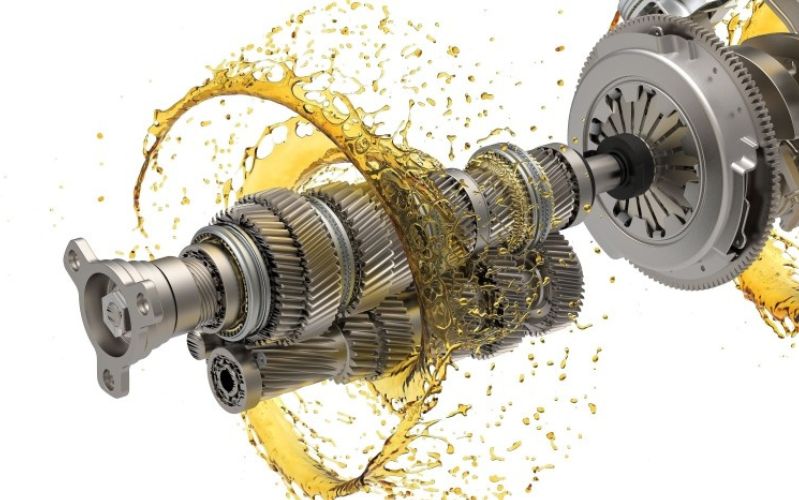
Why Transmission Fluid Matters
Transmission fluid is to your transmission what amniotic fluid is to a baby in the womb: essential for life. All the moving parts inside the transmission live immersed in it, depending on that fluid to stay protected, cool and able to work together smoothly. But like any fluid in your vehicle, it doesn’t last forever. Over time, transmission fluid can break down, collect contaminants and lose its ability to protect the system.
When the fluid gets low or starts losing its properties, it can’t cushion the parts the way it should. As friction increases, small metal particles begin to form and mix into the fluid. Some of this debris can also come from other components like the torque converter in automatics.
Magnets and filters catch some of that debris but not all of it. Over time, those tiny bits can also get stuck in the solenoids, causing all kinds of shifting issues and random warning lights — something we get calls about all the time.
With that in mind, imagine your vehicle running its entire life — 200,000 or 300,000 km or more — with the same oil. It wouldn’t go well, would it?

5 Signs Your Transmission Fluid Needs Attention
Rough shifts, strange noises or overheating are your transmission’s way of saying “help me.” Here are the signs you shouldn’t ignore
1. Trouble Shifting Gears
One of the clearest signs of low or degraded transmission fluid is difficulty shifting gears.
If you drive an automatic, you may notice the transmission hesitating before going into gear or shifting more harshly than usual or erratically. Manual drivers might feel grinding when changing gears. Both can mean the fluid isn’t providing enough lubrication or hydraulic pressure.
Fresh fluid allows the transmission to engage gears smoothly and without extra strain. If shifting feels rough or delayed, have your fluid inspected right away.
2. Strange Noises Coming From the Transmission
Your transmission is designed to operate quietly. That’s why unusual noises — whining, clunking or humming — are a red flag.
Worn-out fluid can’t properly coat gears and internal parts. Without that protective layer, friction increases and the transmission starts making noise. Sometimes these sounds come and go depending on driving conditions.
While noises don’t always mean major damage, they’re often early signs of trouble. A simple fluid change can be the difference between an easy fix and a costly rebuild.
3. Gear Slippage or Unusual Surging
Another sign to watch for is gear slippage, when RPMs tend to fluctuate or the vehicle erratically changes gears or feels like it momentarily loses power while driving.
Gear slippage isn’t just annoying, it’s unsafe. Imagine trying to merge or accelerate on the highway only for your transmission to hesitate or neutralize at the wrong time.
Low or degraded fluid is a common cause. Since the fluid maintains the pressure that keeps gears engaged, low or dirty fluid can cause slippage.
If this happens, don’t delay. Getting the fluid checked early can restore performance and prevent bigger problems.
4. Overheated Transmission
Heat is one of a transmission’s worst enemies. Without enough clean, effective fluid, the system can overheat quickly.
You may notice a burning smell from under the hood, which often means overheated fluid. In some vehicles, a warning light might appear on the dashboard. In severe cases, the transmission may go into “limp mode,” limiting your ability to drive until the problem is addressed.
Replacing worn fluid with the proper manufacturer-recommended type helps keep your transmission cool and protected.
5. Fluid Leaks Under Your Vehicle
If you spot a red or brown puddle under your vehicle, it could be transmission fluid. Unlike engine oil leaks, a transmission leak can cause serious damage quickly if ignored.
Leaks may come from worn seals, loose fasteners or damage to the transmission pan. Even a minor leak can lower fluid levels enough to affect shifting and performance.
If you’re noticing spots on your driveway or garage floor, it’s worth getting it inspected. A licensed transmission shop can identify the source, repair it and refill the fluid to proper levels.
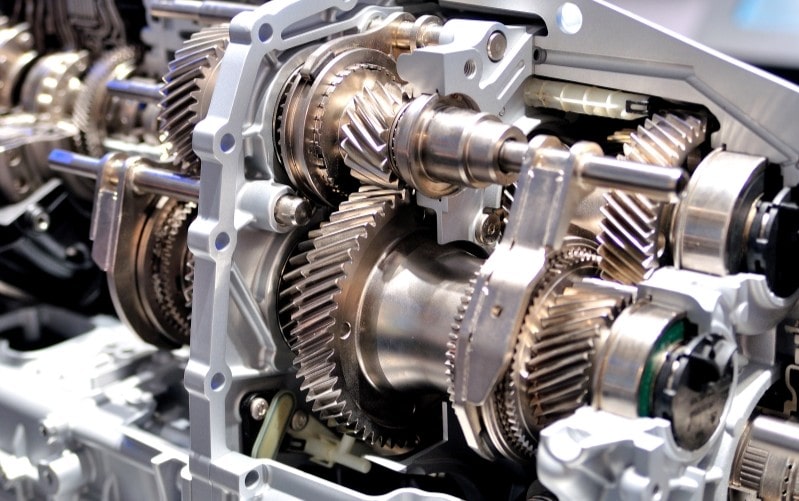
Why Regular Transmission Fluid Changes Matter
A transmission fluid change isn’t just about topping up low fluid; it’s about protecting one of the most advanced and expensive systems in your vehicle.
At GTA Transmission Repair, we’ve seen too many cases where drivers put off fluid service only to face full rebuilds or replacements later on. Regular maintenance helps extend the life of your transmission, improves fuel efficiency and ensures a smoother driving experience.
Not every shop handles transmission service properly. It requires specialized tools, training and the right fluids. Our licensed technicians use manufacturer-approved products and proven service methods to keep your transmission performing its best.
The Real Takeaway
Transmission fluid service isn’t a scam, but it’s not something to do blindly either. It’s about knowing when it’s truly needed and making sure it’s done right.
See what your transmission’s trying to tell you — book your visit now.