
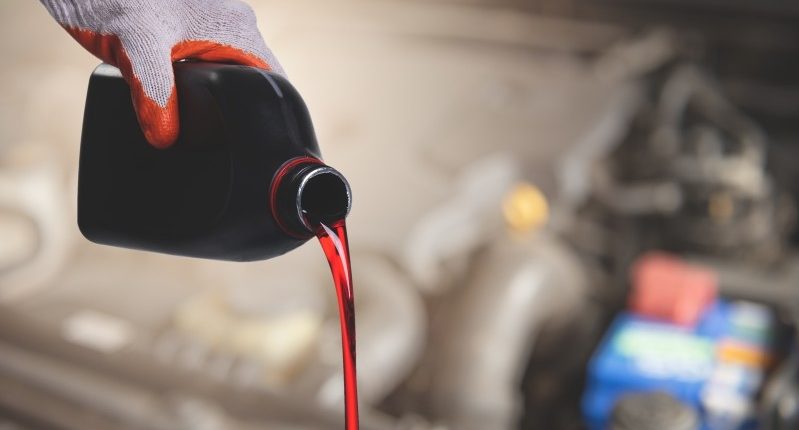
Most drivers never think about transmission fluid until something starts to feel off. If you’ve read our previous post, you already know how crucial this fluid is in keeping your transmission healthy. You’re one of the few who understand how much a simple service can prevent major repairs!
Now it’s time to take it a step further — how often should you change it, and can you check it yourself?
Can You Check Transmission Fluid at Home?
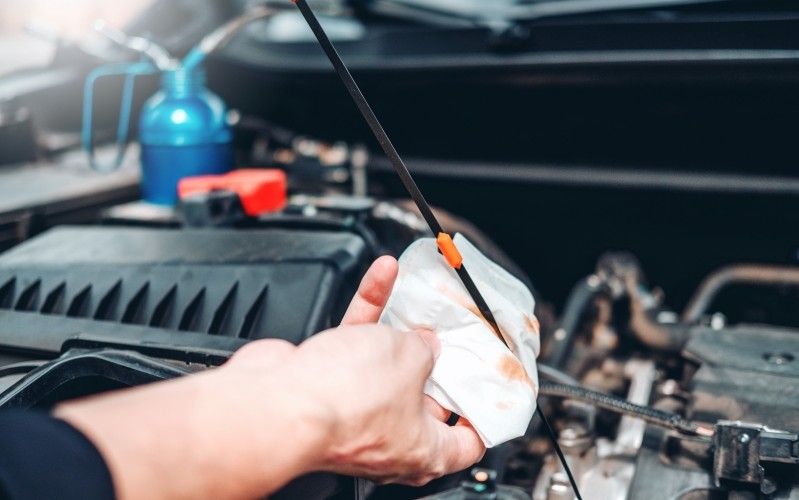
If your vehicle has a transmission dipstick, you can easily check it in your driveway. It looks a lot like the engine oil one and only takes a few minutes.
Here’s how:
- Park on level ground and warm up the engine.
- With the engine running and the parking brake on, pull the dipstick, wipe it clean and reinsert it.
- Check that the level is within the “Hot” or “Cold” range.
- Look at the colour: fresh fluid should be bright red or pink.
- Smell it: burnt or dark brown fluid means it’s time for service.
If that sounds simple, that’s because it used to be. Many newer vehicles no longer have dipsticks. Their transmissions are sealed and can only be checked with special equipment at a qualified repair facility.
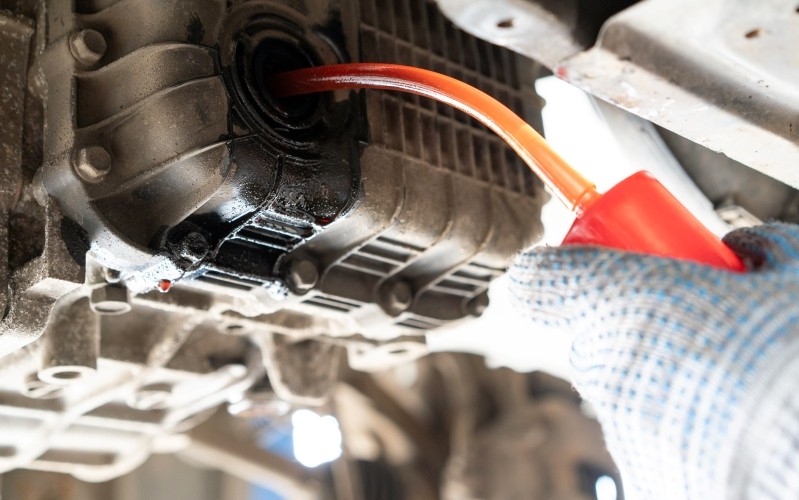
Which Vehicles Have a Dipstick (and Which Don’t)
Here are a few examples:
You can usually check at home:
- Chevrolet/GM cars, vans and SUVs (most through mid-2010s)
- Most Toyota vehicles (up to around 2010–2012)
- All Honda vehicles (before about 2013)
- Ford Escape, Fusion, F-150 and many other models through the early 2010s)
- Nissan Altima, Murano, Maxima, Rogue and Sentra (older models up to early 2010s models)
Professional assistance and equipment required:
- Most newer Hondas (Civic, CR-V, Accord 2014 and newer)
- Toyota RAV4, Highlander and Corolla (2013 and newer)
- All BMW, Mercedes-Benz and Audi models
- Subaru CVT models (Outback, Forester, Crosstrek)
- Hyundai and Kia with newer 6 or 8-speed transmissions as well as CVTs (2010 models and up)
If you can’t find a transmission dipstick under the hood, don’t panic. It’s just sealed and needs to be checked at a qualified transmission repair facility.
At GTA Transmission Repair, we can inspect the fluid level and condition using the proper tools and temperature range for your specific vehicle. You’ll receive clear feedback, photos if needed, and straightforward recommendations before you approve any service.
How Often Should You Change Transmission Fluid
Service intervals vary depending on the vehicle, but for most Toronto drivers, here’s a good general guide:
- Automatic transmissions: every 50,000–80,000 km
- Manual transmissions: every 50,000–100,000 km
- CVTs: every 40,000–60,000 km
- Dual-clutch systems: every 35,000–70,000 km, depending on vehicle’s make and model.
These are general guidelines, and it’s best to follow manufacturer specs or shorten the interval under heavy use to cover the variability. If your vehicle tows, delivers or spends a lot of time in traffic, you’ll want to service it sooner.
As you already know, some vehicles are sold as having “lifetime” transmission fluid, but that term usually refers to ideal driving conditions — steady speeds, mild weather and light use. In real life, gridlocked traffic, towing trailers and changing weather put more stress on your transmission, so the fluid wears out faster than expected. The biggest enemy of your transmission is internal heat, generated mostly by city driving conditions.
If you’re not sure when your fluid was last checked, watch for small changes in how your vehicle drives — rough or delayed shifting, humming or whining sounds, fluid leaks or a burnt smell. These are early signs that it’s time for a proper inspection before wear turns into damage.
Why Proper Service Matters
A proper transmission service is more than just replacing fluid. It includes:
- Using the right manufacturer-approved fluid
- Checking for leaks and worn seals
- Inspecting and replacing filters and gaskets
- Running diagnostic checks for early signs of trouble
At GTA Transmission Repair, our licensed technicians follow the correct procedures for your specific make and model so your transmission gets exactly what it needs.
Types of Transmission Fluid Services
Not every vehicle allows the same type of service, and that’s why we tailor each job to the vehicle’s design.
1. Complete Transmission Service
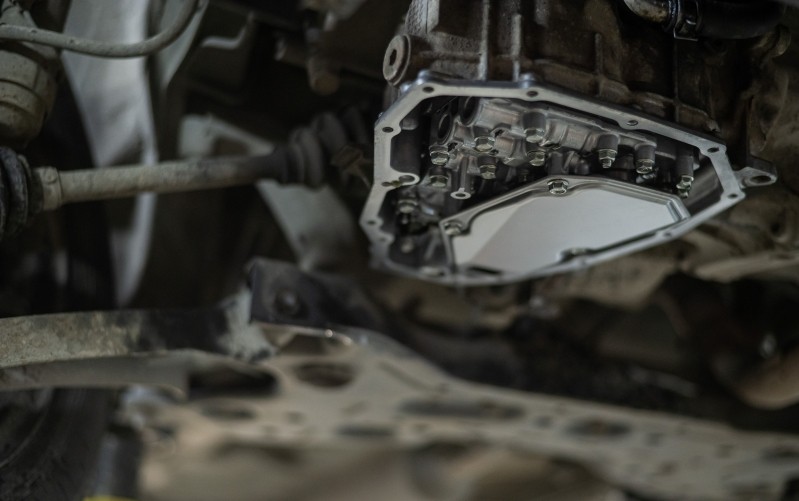
Includes replacing the fluid, filter, gasket (where applicable) and transmission pan, if needed. This service gives the best results when the transmission pan and filter are accessible — common in many domestic vehicles like Dodge Caravans, Ford F-150s, Chevrolet Silverados and older Toyotas, among other various imports.
2. Drain and Fill
Performed when the transmission doesn’t have a removable pan access or the filter cannot be replaced without transmission disassembly. In this case, a portion of the old fluid is drained and replaced with new fluid. This is typical in sealed systems like many Honda, Hyundai, Ford, GM and other imported front-wheel-drive vehicles.
While we always review the manufacturer’s recommendations, real-world driving conditions (hello, Toronto stop-and-go traffic!) often call for more frequent checks. Some sealed transmissions are designed so that only a portion of the fluid can be serviced unless the whole system is flushed (which we do not recommend, and we’ll get into why in a future post). That’s why proper inspections matter so much.
3. External or In-Line Transmission Filter Replacement
Some vehicles also come equipped with an in-line (or external) transmission filter. This filter is usually installed along the transmission cooler return line to trap fine debris not caught in the internal filter or picked up by the internal magnets.
Having this filter replaced during a fluid service adds an extra layer of protection for your transmission by preventing small metal particles or clutch material from circulating through the system.
You’ll typically find in-line filters on vehicles such as:
- Certain Honda Odyssey, Pilot, CRV and Civic models
- GM and Ford HD (Heavy Duty) trucks with auxiliary coolers
- Various import makes and models equipped with towing packages
If your vehicle doesn’t have an inline filter, it may be possible to add one if its system permits. Replacing or cleaning that extra filter helps keep the fluid clean for longer and reduces wear on internal components — especially for vehicles used for towing, primarily city driving or commercial use.
Before performing any transmission fluid service, our team completes a comprehensive diagnostic to check fluid condition, potential leaks and system performance. This ensures we’re doing the right service for your vehicle — not just adding fluid and hoping for the best.
Final Thoughts
If you don’t remember the last time your transmission fluid was checked, it’s probably due. A proper inspection and the right service now can help you avoid costly repairs later.