
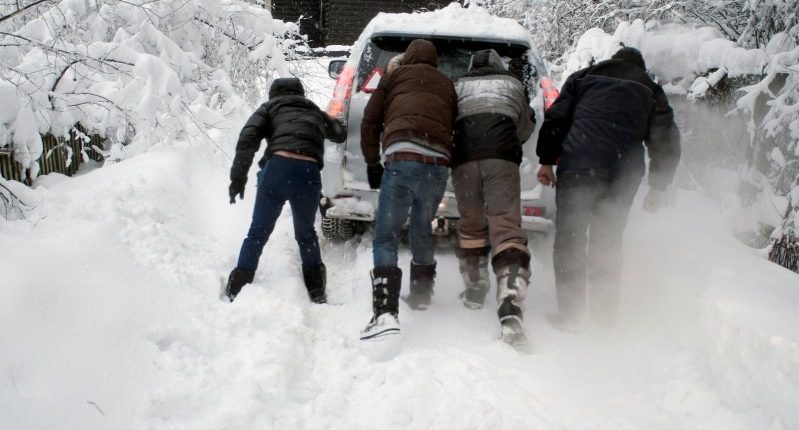
When the cold weather arrives, all the attention goes to winter tires, the heroes of the season. They get the ads, the reminders and a thick slice of your budget. And they deserve it. They grip the ice, push through slush and help keep you and your family safe.
But every superhero has a sidekick.
Enter the transmission, the system that delivers the power to get you out of the driveway, up a snowy hill and through the messiest road.
Like every superhero duo, your tires and transmission work stronger together. One brings the grip, the other brings the power, and they rely on each other more than most drivers realize. You can invest in the best winter tires on the market, but if your transmission is slipping, worn or working overtime in harsh conditions, those tires will not take you far.
As Derrick Cayley, our head transmission technician, puts it: “If your tires are bad, your transmission works harder. If your transmission is bad, your tires can’t do anything for you.”
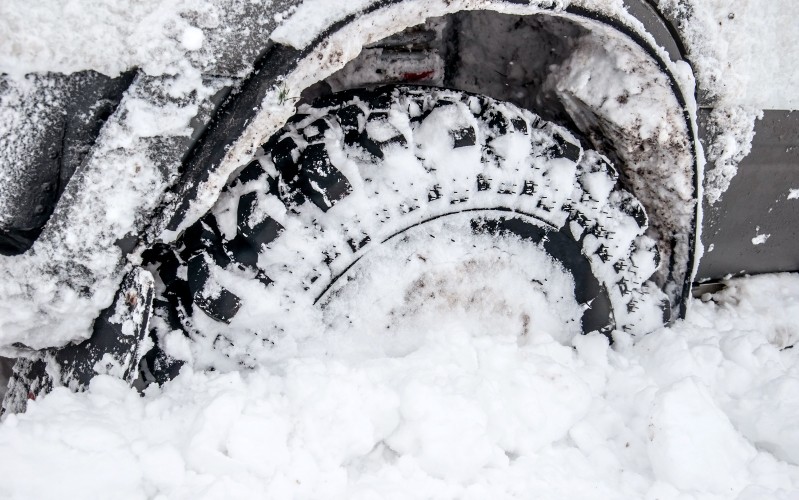
Why Your Transmission Matters as Much as Your Tires
You have probably heard that winter is tough on transmissions. It is, but not for the reasons people think. The cold itself is not the villain.
The real problem is how winter driving conditions force your transmission to work.
Here’s a simple breakdown of what’s true and what’s not:
Cold Weather Makes Your Transmission Work Harder
True. Cold transmission fluid thickens. Thick fluid takes longer to circulate and lubricate, which means your transmission works harder during the first few minutes of driving. A short warm-up helps. Old or contaminated fluid struggles even more in low temperatures.
If you are unsure about your fluid condition, check our post on fluid maintenance:
👉 https://gtatransmission.ca/transmission-fluid-service-truth-or-trap/
Wheelspin and Sudden Traction Put Strain on Internal Parts
True. Snow and ice cause your wheels to spin faster than your vehicle is moving. When the wheels suddenly regain traction, the transmission absorbs the shock. This stress affects the:
- clutch packs
- planetary gearsets
- AWD and FWD components
Good winter tires and gentle throttle help protect these parts, but tires alone cannot protect a weak or overdue transmission.
More on early symptoms here:
👉 https://gtatransmission.ca/top-signs-youre-headed-toward-a-transmission-overhaul/
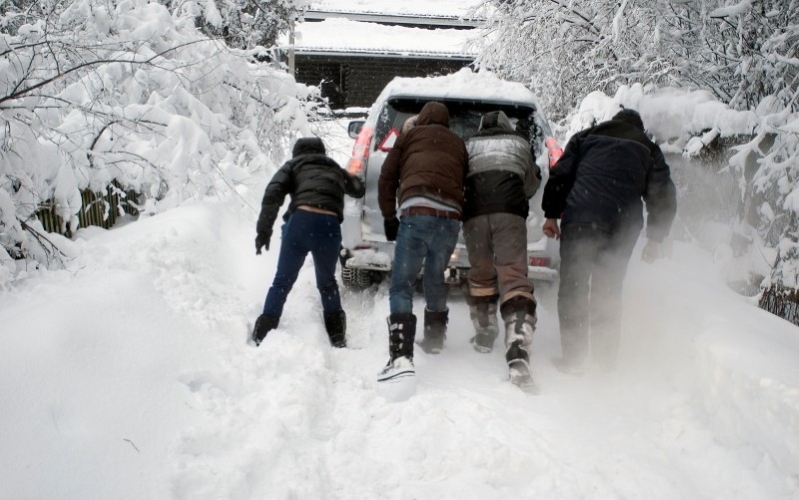
“Rocking” the Vehicle to Get Unstuck Is Smart and Harmless
False. “Rocking” your vehicle to get out of a snowbank is one of the quickest ways to damage a transmission in winter. The rapidly shifting between Drive and Reverse overheats the transmission almost instantly. Clutches engage, disengage and re-engage rapidly. Gears take unexpected hits. Parts that normally operate smoothly are forced into abrupt cycles.
Over time, this leads to:
- burned clutches
- worn gears
- broken components
Even a healthy transmission can suffer damage if this is done repeatedly. A push, traction mats or a tow are always safer and much cheaper.
Overheating Can Still Happen in Winter
True. It may sound strange, but winter can create conditions where the transmission works harder than on a hot summer day. Snow creates resistance, traction control activates constantly and the converter slips more often. If your fluid is old, heat builds faster.
When wheels slip, the transmission works overtime. The harder it works, the hotter it gets. Inside an automatic transmission, clutch packs depend on the fluid’s ability to cool, lubricate and allow smooth transitions. When a transmission overheats, those clutches burn. Once they burn, they slip. And once they slip, the transmission will no longer move the vehicle.
A winter snowstorm can push a transmission past its limits because of repeated shock load, slipping, grabbing and the forward-reverse rocking many drivers try.
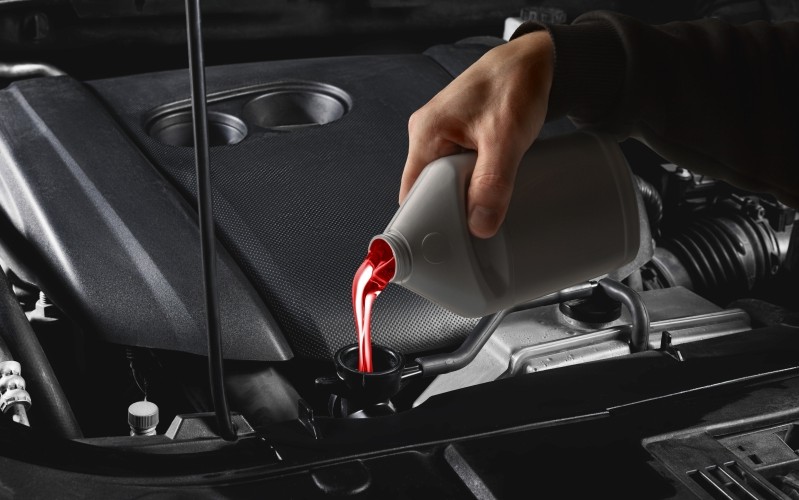
Five Steps to Protect Your Transmission in Winter
- Warm up briefly, then drive gently
A long idle is not needed. Thirty to sixty seconds is enough to get the fluid moving.
Warming up is not only for comfort or defrosting. It allows fluids to circulate.
- Avoid “rocking” the vehicle
It overheats the transmission quickly. If you are stuck, do not force it. Get help instead.
- Make sure your fluid is in good condition
Your transmission fluid is the single most important factor in winter protection. While the cold weather does not damage the fluid itself, the real risk is driving with old, worn or incorrect fluid. Winter stress accelerates wear. A transmission that might have lasted months longer can fail sooner if it is forced to overcome repeated wheelspin or snowbank extractions.
If your vehicle has a dipstick, check the color and smell. If it does not, we can check it for you.
More on fluid maintenance here:
👉 https://gtatransmission.ca/transmission-fluid-service-truth-or-trap/
4. Pay attention to small changes
Winter magnifies early signs of transmission trouble. If you notice delayed engagement, humming, whining, slipping, harsh shifts, leaks or a burnt smell, book an inspection before the symptoms worsen.
5. Do not wait for a breakdown
Winter breakdowns usually happen because the transmission was already weak. The cold simply exposes the problem faster. If your vehicle is due for service or has not had a fluid check in a long time, the best time to do it is before the cold gets deeper.
Final Thoughts
Winter driving depends on two systems working together: tires that give you traction and a transmission that delivers the power. When both are strong, they support each other and help keep you safe. When one is weak, the other is pushed harder and can fail under winter strain.
A simple winter inspection can prevent a major repair and give you peace of mind all season long.
Book your winter transmission service at GTA Transmission and drive with confidence.